モンテッソーリ教育は世界にどう広がった?AI調査による試作動画【2026年10月版】
この動画は、バンビーノがChatGPT Astraの思考設定「激高」を使ったAI調査をもとに制作した、実験的なアニメーションです。公開されている学校・団体の情報や文献を参照していますが、網羅的な学術調査や専門家による検証を終えた研究成果ではありません。バンビーノとしても、情報の拾い漏れや年代・評価の扱いなど、まだ精度に課題があると考えています。
それでも、現時点でAIがどこまで調べ、整理し、可視化できるのかを記録するため、2026年10月12日版の試作として公開します。
バンビーノでは、ここ1〜2か月のAIの変化に大きな進歩を感じています。文章や動画、チラシ、ウェブサイト、アプリの制作に加え、世界に散らばる文献や情報を探し、つなぎ合わせる調査への活用にも可能性を感じています。今後1年で、その能力はどこまで変わるのでしょうか。
この企画では、半年ごとに同じテーマを再調査し、データ・判定・動画を見直していく予定です。新しい資料の発見、誤りの訂正、指標の変更を記録しながら、AIを調査に使う可能性と限界を継続して確かめていきます。
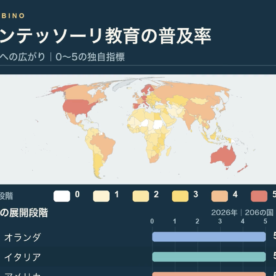
動画は、1870年のマリア・モンテッソーリの誕生から始まり、1907年の最初の「子どもの家」、各国への学校・教員養成の広がりを、世界地図と国別の棒グラフでたどります。最後には、206の国・地域について今回整理した段階を表示します。
画面の「普及率」は、児童の何%が通っているかを表す数値ではありません。過去の部分は資料と編集上の基準点から再構成しており、2.5や2.8などの小数や滑らかな伸びは表示上の補間です。当時の実測値や正確な世界順位ではなく、段階5の国の表示順も優劣を表しません。戦時中などの0には「活動の休止」という編集上の扱いも含み、例外的な実践が一切なかったと断定するものではありません。地図には現在の国境を使っています。
今回の指標と評価基準
指標は、0を含む「0〜5の6段階」です。主に、子どもが実際に通う学校・教室、提供する年齢帯、小学校課程の広がり、公立・私立の学校数、教員養成や運営支援を見ています。AMI・AMSを中心に調べ、具体的な実践が確認できる他団体の施設も対象に含めました。確認できた条件に該当する、最も高い段階を採用しています。
教育の広がりを数だけでなく実践・継続・運営から捉える考え方としてCoburn(2003)、教育の実施を扱うEEFのレビュー(2024)、指標の設計についてOECD等の手引き(2008)を参考にしています。ただし、以下の段階や学校数の境界は、これらの研究が実証した基準ではなく、バンビーノ独自の試行的な設定です。
0|白
採用できる具体的な活動・接点の証拠が未確認。名称だけ、国名と推計数だけなど、確証に足りない情報は加点しません。「実際に0校」を証明した意味ではありません。
1|薄いクリーム
受講、研修、海外での養成参加、団体活動、過去の学校など、具体的な接点を確認。現在、子どもが通う実践拠点は未確認です。
2|ライトイエロー
現在の学校・継続教室・部分導入を1件以上確認し、上位条件はまだ確認できない段階です。
3|三日月色(やわらかな金黄色)
重複を除いた実践記録が2件以上、または0〜3歳・3〜6歳の両方の実践、または小学全課程を提供する1校以上を確認した段階です。実践記録の件数は全国の学校総数とは異なります。
4|オレンジ
小学全課程を提供する2学校組織以上、または小学全課程1校以上に加えて、6〜12歳の養成基盤か、該当校の人材育成・運営支援体制を確認した段階です。養成コースの開催だけでは4にしません。
5|赤
小学全課程を提供する公立2学校組織以上、または私立5学校組織以上を確認した段階です。同一校の分校や複数クラスを別学校として重ねて数えません。
小学全課程は6〜12歳を基本とし、各国の学制に対応する課程は元の年齢・学年とともに確認します。12〜15歳・15〜18歳の課程も記録しますが、それだけで5にはしません。面積補正は主判定に使っていません。同じ段階でも学校数や利用割合、教育の質が同じとは限りません。この基準は主に現況整理に用いたもので、歴史上の全年度を同じ基準で再検証したものではありません。AMI・AMSによる公式評価でもありません。
How Montessori Spread Around the World: An AI Research Experiment | October 2026
This video is an experimental animation created by BAMBINO using research assisted by ChatGPT Astra with a very high reasoning setting. It draws on public information from schools, organisations and publications. It is not the result of a comprehensive academic study or independent expert validation. We recognise that its accuracy still needs improvement, including gaps in coverage and uncertainty in dates and assessments.
We are publishing this edition, dated 12 October 2026, to document how far AI can currently help us investigate, organise and visualise this subject.
Over the past couple of months, we at BAMBINO have felt substantial progress in what AI tools can help us do. Alongside writing and creating videos, flyers, websites and apps, we see potential in using AI to find and connect information scattered across the world. How much will this research capability change over the next year?
We plan to revisit this topic every six months and review the data, assessments and animation. We will record new sources, corrections and changes to the criteria as we explore the possibilities and limitations of AI-assisted research.
The video starts with Maria Montessori’s birth in 1870, then follows the first Children’s House in 1907 and the international spread of classrooms and teacher training. A world map and country bars trace this story, ending with our current assessment of 206 countries and territories.
The numbers are not percentages of children attending Montessori schools. Historical sections combine documented events with editorial reference points. Decimals such as 2.5 or 2.8 and smooth growth between dates are visual interpolation, not annual measurements or verified world rankings. The order of countries at level 5 does not indicate superiority. Historical zeroes may represent a period of dormancy, without ruling out surviving practice. The map uses present-day borders.
How the six-level scale works
The scale runs from 0 to 5, giving six levels. We consider actual provision for children, age ranges, elementary programmes, public and private school numbers, teacher training and support. AMI and AMS are central sources, but documented provision outside these organisations is also included. We assign the highest level whose criteria are supported.
Our approach draws on Coburn’s work on the spread and sustainability of school reform (2003), the EEF’s review of implementation in education (2024), and the OECD and partners’ guide to constructing indicators (2008). The levels and numerical thresholds below are BAMBINO’s provisional choices, not validated cut-offs established by these publications.
0 — White
No specific, usable evidence of activity or contact confirmed. Names or country-level estimates alone do not earn a score. This does not establish that there are no Montessori schools.
1 — Pale cream
Specific contact is documented, such as training, participation abroad, organisational activity or historical schools. Current provision for children is unconfirmed.
2 — Light yellow
At least one current school, regular classroom or partial implementation is documented, but higher-level criteria remain unconfirmed.
3 — Soft golden yellow
At least two distinct practice records, provision in both the 0–3 and 3–6 age bands, or at least one school offering the full elementary programme is confirmed. Records are not national school totals.
4 — Orange
At least two school organisations offer the full elementary programme, or at least one does so alongside a 6–12 training pathway or documented staff development and operational support for that school. Training alone does not qualify.
5 — Red
The full elementary programme is confirmed in at least two public school organisations or five private school organisations. Branches and classes within the same school organisation are not counted as separate schools.
“Full elementary” generally refers to ages 6–12; national equivalents are recorded with their original ages and grades. Ages 12–15 and 15–18 are also recorded but do not automatically qualify a country for level 5. Land-area adjustments are not used in the main assessment. The same level does not mean equal school numbers, participation or educational quality. These criteria primarily describe the current assessment; they have not been applied consistently to every historical year. This is not an official AMI or AMS rating.
評価基準と根拠データ / Criteria and Supporting Data
今回の評価基準、国・地域別の判定、出典は、以下の公開スプレッドシートでご覧いただけます。
The criteria, country assessments and sources are available in the public spreadsheets below.
関連する記事




ダウンロード教材



モンテッソーリから学ぶ子育て




赤ちゃんの発達と子育て



子どもの睡眠




食とモンテッソーリ



モンテッソーリケア

モンテッソーリ教育の基本



世界のモンテッソーリ研究


AMIトレーナーの言葉



AMI公式 モンテッソーリQ&A



モンテッソーリを伝えた人たち
モンテッソーリ教育に影響を受けた著名人




写真でたどる マリア・モンテッソーリの歴史



漫画で学ぶモンテッソーリ教育





-
-
2026.10.12カテゴリ / コラム
モンテッソーリ教育は世界にどう広がった?AI調査による試作動画【2026年10月版】

-
-
2026.10.11カテゴリ / コラム 写真でたどる マリア・モンテッソーリの歴史
一枚の写真から70年後の再会へ – マリア・モンテッソーリと過ごした子どもたち
-
-
2026.10.10カテゴリ / コラム 写真でたどる マリア・モンテッソーリの歴史
写真でたどる マリア・モンテッソーリの歴史|第2回|1900–1910年 「子どもの家」の誕生 -モンテッソーリ教育が形になった10年
-
-
2026.10.09カテゴリ / コラム 赤ちゃんの発達と子育て
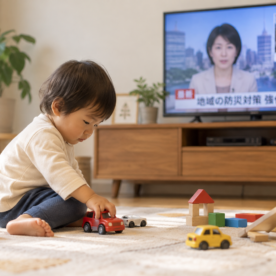
テレビから流れる「言葉のシャワー」で、2歳の言葉は育つ? – 大切なのは言葉の量より、会話の往復
-
-
2026.10.08カテゴリ / コラム モンテッソーリ教育に影響を受けた著名人 食とモンテッソーリ
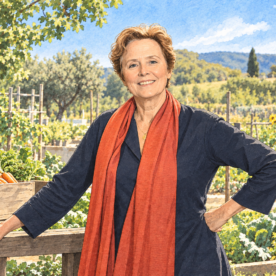
「おいしい」から始まる革命 – アリス・ウォータースとモンテッソーリ教育
-

-
2026.10.07カテゴリ / コラム モンテッソーリから学ぶ子育て
「まだ遊びたい!」で帰れない。AMIが教える“15分前に知らせる”理由